
Virology research relies heavily on the stability and viability of highly sensitive biological samples, viral cultures, reagents, cell lines, and clinical specimens. These materials are often irreplaceable, and their integrity is vital for accurate results, reproducible experiments, and timely regulatory approvals.
Cold chain integrity in virology labs refers to the unbroken maintenance of required temperature conditions throughout storage, handling, and transport. Any deviation, even slight, can compromise a sample’s usability and data reliability; potentially derailing months of research. In worst cases, temperature excursions can result in failed trials, loss of funding, and breaches in compliance with GxP, ISO, or NATA standards.
In this blog, we’ll explore why cold chain control is vital, where labs are most vulnerable, and how real-time alerting platforms like ColdCloud™ are helping research teams maintain compliance and confidence without adding manual burden.
Why Virology Samples Require Tight Temperature Control
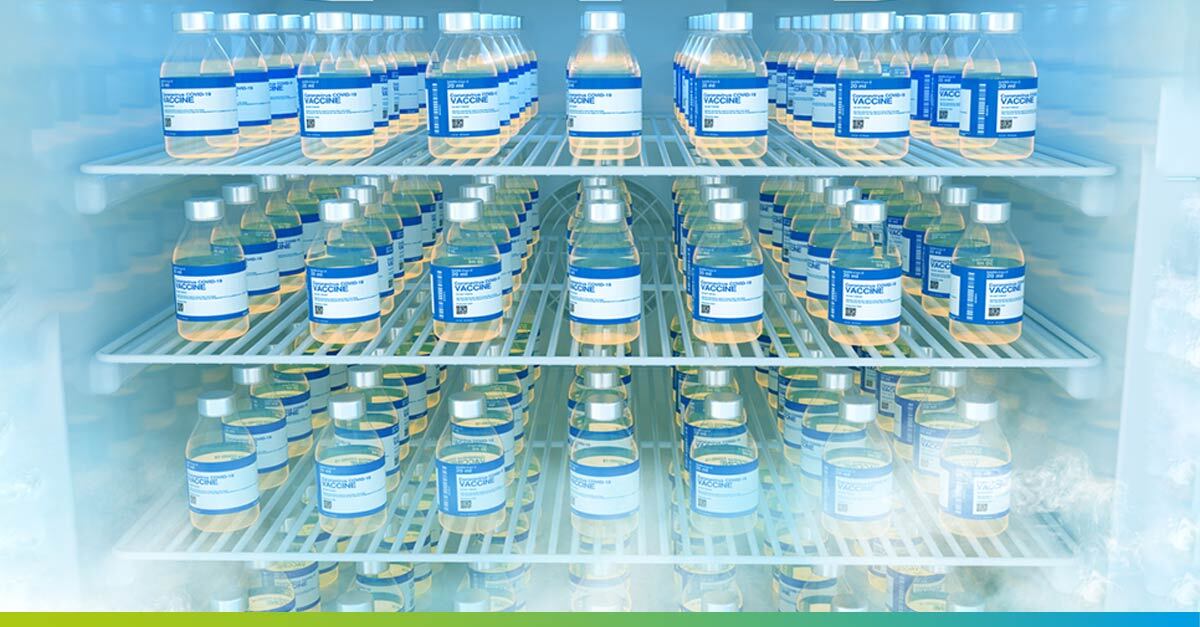
Viral specimens are among the most temperature-sensitive biological materials. Whether it’s cultured influenza virus, HIV RNA, or adenoviral vectors used in vaccine development, these samples must be kept under precisely controlled conditions to remain viable.
Typical storage requirements include:
- –80°C ultra-low temperature freezers for long-term storage of viral stocks
- +2°C to +8°C for short-term storage of reagents
- Liquid nitrogen (–196°C) for cryopreservation of live cell lines or RNA extracts
In virology, even minor shifts in storage conditions can compromise research validity, from skewing viral load measurements to reducing the potency of vaccine candidates.
Here, precision isn’t just a standard; it’s the foundation for results that policymakers, funders, and the scientific community can trust.
Challenges in Maintaining Cold Chain in Research Labs
Even with strict protocols in place, virology labs can still struggle to keep cold chain conditions stable, especially during extended storage or cross-border shipments.
- Unexpected outages or refrigeration faults can cause temperature swings at the worst possible moments, often when the lab is empty.
- Relying solely on manual checks means there are blind spots, particularly during off-hours, when environmental changes can go unnoticed.
- Shared storage environments may have inconsistent controls or varying temperature requirements, creating zones of risk.
- Intra-institutional transport moving samples between departments or sites can lead to inconsistent handling, particularly without portable monitoring tools.
Without automated alerting and continuous logging, these issues often go unnoticed until after damage has occurred.
How Cold Chain Integrity Supports Research Validity
Maintaining cold chain monitoring in research settings is fundamental to scientific reliability. It directly supports:
- Experiments conducted across multiple centres or timeframes rely on consistent storage conditions to ensure comparability.
- Viral strains, RNA, and reagents remain usable for longer, reducing the risk of degraded or unreliable samples.
- Stable conditions minimise sample loss, saving time, reducing waste, and preserving critical research momentum.
- Temperature-compromised samples can lead to deviations from approved trial designs, putting publications, funding, and compliance at risk.
Protecting cold chain integrity safeguards more than just the samples; it preserves the trust of funders, regulators, and the wider scientific community.
Role of Remote Monitoring Systems in Virology Labs
Automated environmental monitoring for laboratories delivers real-time visibility into temperature-sensitive environments, both in storage and during transit.
ColdCloud™ and Ice³ work together to provide:
- Real-time environmental monitoring across multiple storage zones and lab areas
- 24/7 access to temperature logs and excursion records from any device
- Instant alerts (SMS, email, dashboard) when pre-set thresholds are breached
- Multi-user routing and escalation workflows to ensure incidents are acted on promptly
In virology labs juggling multiple freezers, refrigerators, and controlled room temperature zones, robust cold chain oversight has become a core safeguard for protecting samples and keeping operations running without disruption.
Supporting Compliance and GxP Standards
Temperature monitoring systems also support compliance with key regulatory and audit frameworks. ColdCloud™ automatically logs all alert events, corrective actions, and acknowledgements, creating a reliable record for:
- ISO 15189, NATA accreditation
- GxP requirements for sample handling and storage
- Funding applications and institutional reviews that require traceable environmental control
By automating these compliance requirements, labs reduce the burden of manual logs while improving accuracy and readiness for audits.
Explore Autima’s temperature monitoring systems, purpose-built for life sciences
Supporting Compliance and GxP Standards
- For long-term viral sample storage, ColdCloud™ monitors ultra-low temperature freezers, sending real-time alerts if compressor issues or door malfunctions occur.
- Reagents, kits, and buffers stored at ambient +20°C to +25°C require consistent CRT tracking to prevent degradation.
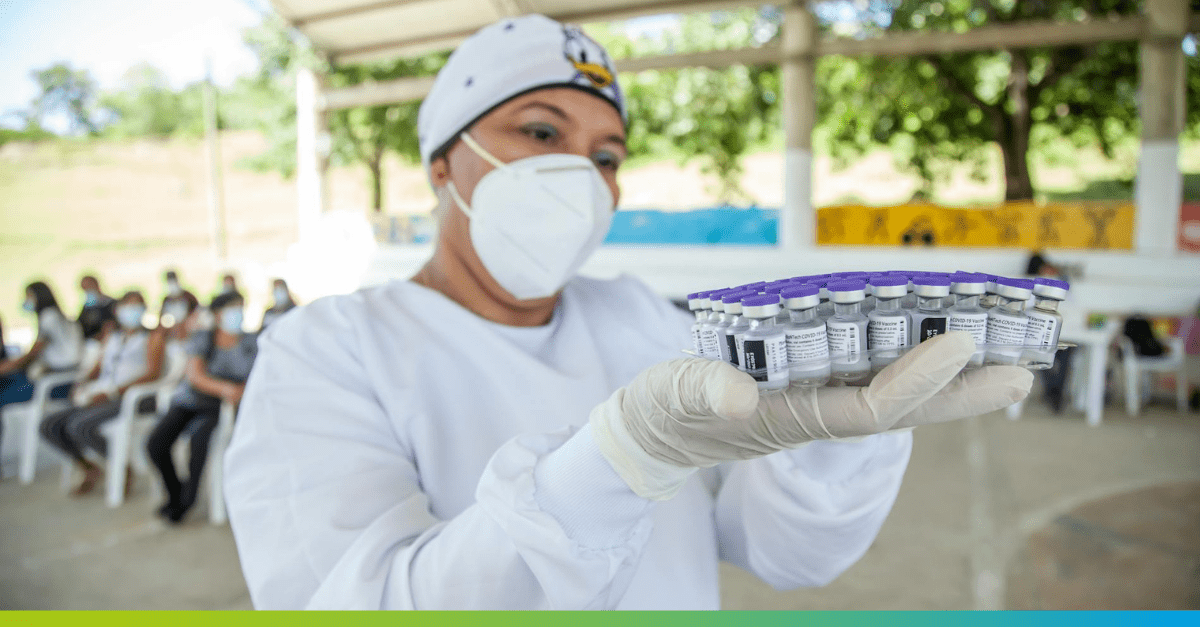
- Using portable Ice³ devices, labs can track temperature conditions during sample handoffs, ensuring cold chain continuity even between sites or departments
See how our remote alert system for laboratories supports full sample lifecycle protection.
Conclusion
Virology research requires more than precise instrumentation; it depends on consistent, reliable environmental conditions. Maintaining cold chain integrity safeguards sample viability, data accuracy, and laboratory credibility.
With ColdCloud™ and Ice³, monitoring moves from reactive troubleshooting to proactive protection, with centralised oversight, automated alerts, and reduced risk across all research stages.
From preserving –80°C viral stocks to preparing material for Phase II trials, real-time environmental data can be the difference between preservation and loss.
Frequently Asked Questions
Ranges vary: –80°C for viral cultures, +4°C for short-term reagents, and cryogenic storage for RNA or long-term preservation.
Yes. Autima’s portable monitoring devices record conditions during transport and integrate with ColdCloud™ for end-to-end traceability.
They allow labs to intervene early, often before a breach affects sample integrity, improving sample preservation, documentation, and compliance.