
Maintaining the integrity of temperature-sensitive beauty and cosmetic products depends on optimal warehouse storage conditions. As demand grows for advanced formulations, often rich in natural or active ingredients, manufacturers and distributors face mounting pressure to enforce strict environmental controls across the supply chain.
Without effective temperature management, products risk degradation, regulatory issues, reputational damage, and financial loss. This article highlights nine key challenges in beauty product warehousing and distribution solutions for improving temperature-sensitive logistics.
1. Preserving Product Integrity in Sensitive Beauty Formulations
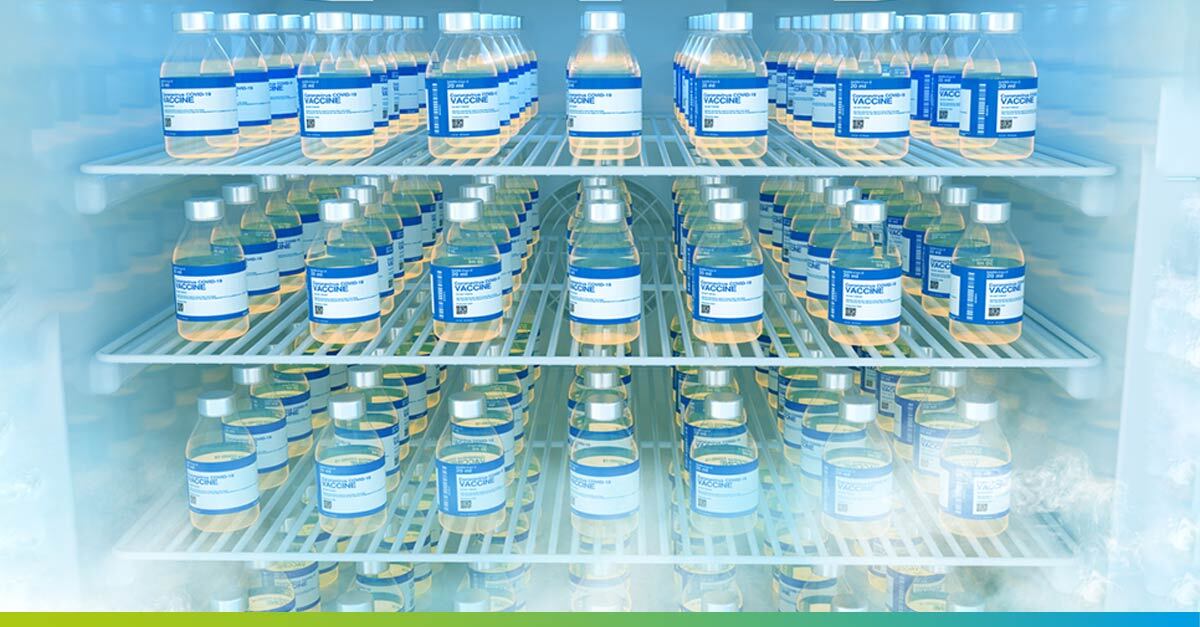
Certain beauty products require strict temperature control to remain stable. This includes components such as retinol, vitamin C, peptides, or botanical extracts that are vulnerable to temperatures outside their approved range. These changes may affect the product’s texture, colour, or effectiveness, making them unsuitable for consumer use.
To prevent this, warehouses must maintain storage conditions that align with manufacturer specifications. Consistent monitoring and accurate temperature logging support controlled environments, which help preserve product quality from arrival to dispatch.
2. Managing Energy Use in Environmentally Conscious Beauty Warehousing
Facilities handling natural or preservative-free formulations must maintain stable temperatures without excessive energy consumption. Rising energy costs and sustainability targets increase the need for efficient environmental control.
Infrastructure should support thermal stability with minimal waste. This includes proper insulation, energy-efficient equipment, and real-time performance tracking. The goal is to maintain product conditions while managing resource use effectively.
3. Ensuring HVAC Systems Support Beauty-Specific Storage Needs
HVAC systems must meet the temperature requirements of varied beauty products. Inconsistent airflow, insufficient capacity, or lack of maintenance can result in unstable storage environments.
System specifications should reflect the size of the facility, product types, and climate. Regular inspection and service routines help ensure reliability. A well-functioning system reduces the risk of temperature deviations and protects product viability.
4. Implementing Precision Temperature Monitoring
Manual checks and static thermometers no longer suffice in modern warehousing, especially for high-value or sensitive stock.
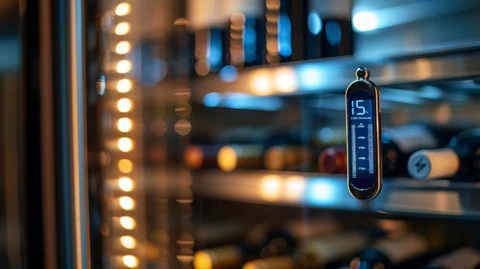
Real-time monitoring through calibrated sensors and cloud-based platforms enables swift anomaly detection, remote oversight, and automated reporting. These systems support regulatory compliance and provide traceability for audits and incident response. Strategic sensor placement, particularly near loading bays or mezzanines, ensures thorough coverage of potential high-risk zones.
5. Optimising Warehouse Layout for Thermal Consistency
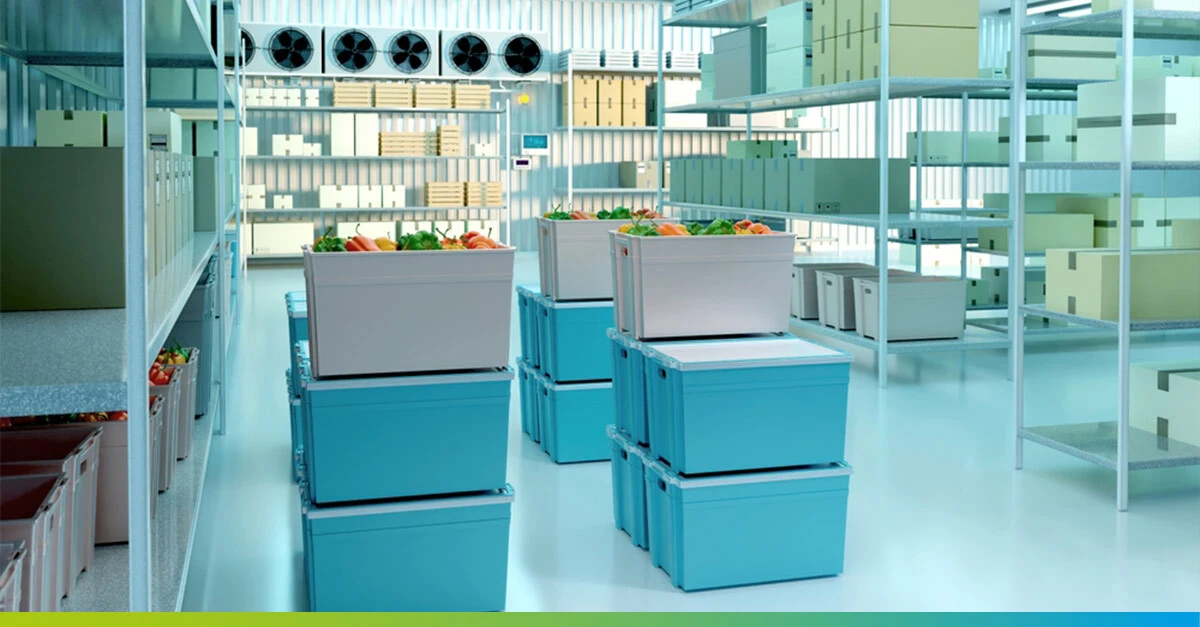
Warehouse layout can significantly influence the uniformity of temperature distribution. Poor airflow, blocked vents, or densely packed shelves may result in temperature variations that compromise product stability.
Conducting temperature mapping during facility setup and at regular intervals helps identify inconsistencies and informs layout, sensor positioning, and HVAC adjustments. Implementing thermal zoning tailored to product categories can improve energy efficiency and control.
6. Ensuring Staff Are Trained in Temperature-Control Protocols
Even the most advanced systems are only as effective as those operating them. Minimising human error through practical, ongoing training is vital to maintaining temperature control.
Comprehensive staff training programs should include
- Principles of cold chain and temperature-sensitive storage
- Correct handling procedures for receiving and dispatching goods
- Use of monitoring systems and alert mechanisms
- Documentation and escalation protocols for temperature deviations
Training should be revisited regularly and updated as procedures, technologies, and compliance requirements evolve.
7. Establishing Effective Contingency Plans
Business continuity planning is critical in temperature-controlled environments. Equipment failure, power outages, or natural disasters can rapidly compromise inventory.
Robust contingency measures should include:
- Backup refrigeration and power supply
- Pre-approved temporary storage locations
- Incident escalation and response protocols
- Procedures for product assessment and quarantine
8. Adapting Infrastructure to Climate Variability
Warehouses in regions with significant temperature fluctuations face additional challenges in maintaining stable environments. High ambient temperatures, humidity spikes, and seasonal extremes can strain HVAC performance.
Investments in climate resilience, such as improved insulation, reflective roofing, and airlock entry points, help mitigate the impact of external conditions. Long-term infrastructure planning must account for environmental volatility, particularly in Southeast Asia or northern Australia.
9. Meeting Regulatory and Quality Assurance Requirements
While cosmetics may not be subject to pharmaceutical-grade regulations, quality assurance expectations are rising. Retailers, distributors, and consumers increasingly require validated storage conditions and full traceability.
Complying with Good Distribution Practice (GDP) guidelines and relevant ISO standards bolsters credibility and reduces liability. Facilities should maintain calibration records, temperature logs, and deviation reports as part of standard operating procedures. Digitised monitoring and automated reporting strengthen audit readiness and demonstrate best-practice governance.
Conclusion
To meet the growing complexity of beauty product logistics, warehouses must go beyond basic temperature monitoring control. This means combining technology, infrastructure, staff training, and risk management practices. Done well, it helps prevent waste, ensures compliance, and builds lasting trust with brands and consumers.
Frequently Asked Questions
Most beauty products require storage in ambient conditions, typically between 15°C and 25°C. However, specific products, especially those with actives or natural ingredients, may require tighter or refrigerated conditions. Always refer to manufacturer guidelines.
Facilities implement layered strategies including high-efficiency HVAC systems, thermal zoning, real-time monitoring, and emergency backup protocols. These measures reduce the likelihood of excursions and ensure timely intervention when deviations occur.