Preserving fine art and premium wine is as much a science as it is an art. These valuable assets are extraordinarily sensitive to their surroundings, where even minor shifts in temperature or humidity can trigger a cascade of deterioration. Canvas can warp; pigments can crack; corks can dry out; and wine can oxidise or change silently, eroding quality, provenance, and market value.
In this context, environmental control is not merely a best practice. It is a critical aspect of proper management. Whether housed in a private cellar, a museum-grade vault, or a multi-site storage network, collections demand consistent, precise climate conditions to retain their integrity.
This article outlines the key risks posed by temperature and humidity fluctuations and highlights how modern, cloud-connected monitoring systems help mitigate them. For collectors, curators, and storage operators alike, mastering environmental stability is essential to preserving both the physical condition and the long-term value of high-value assets.
Risk 1: Premature Ageing in Wine Due to Temperature Instability
Wine is a dynamic and living product whose evolution depends on the delicate balance of chemical reactions over time. Temperature is one of the most critical factors in determining how a wine matures. If storage conditions deviate from the optimal range of 12°C to 15°C, the natural ageing process may accelerate or be disrupted.
High temperatures speed up oxidation, which can flatten the wine’s aromas, mute its flavours, and dull its colour. On the other hand, temperatures that are too low can hinder development, alter sedimentation, and even result in tartrate crystals forming. These changes negatively impact the wine’s quality, enjoyment, and long-term value.
Mitigation: Sophisticated temperature-controlled environments help preserve wine under ideal conditions, allowing it to mature gracefully and retain its intended sensory profile.
Risk 2: Environmental Degradation of Fine Art
Fine artworks, particularly those created on canvas, wood, or paper, are especially sensitive to changes in their environment. These organic materials respond poorly to fluctuations in temperature and humidity, often leading to physical deterioration over time.
Canvas may slacken or tighten with changes in heat. Wooden supports are susceptible to warping. Paint layers can crack, flake, or separate from the surface. Adhesives used in mixed-media works may weaken, compromising structural integrity. Even small environmental changes, if repeated or prolonged, can have lasting effects.
Mitigation: Controlled environments that maintain temperatures between 18°C and 22°C, along with 45 to 55% relative humidity, help ensure long-term preservation. These standards are now widely adopted by museums, galleries, and serious collectors.
Risk 3: Humidity-Temperature Imbalance
Temperature control is essential, but must be paired with careful humidity regulation. The interaction between temperature and humidity can introduce complex challenges. Focusing on one while neglecting the other creates conditions that increase the risk of damage to valuable items.
In wine storage, low humidity can dry out corks, breaking the seal and allowing oxygen to enter. This process causes oxidation and can ruin the wine. High humidity, by contrast, encourages mould growth on labels and packages, which diminishes their market appeal. Art storage: excessive moisture fosters mould and biological damage, while overly dry air can cause paper and canvas to become brittle.
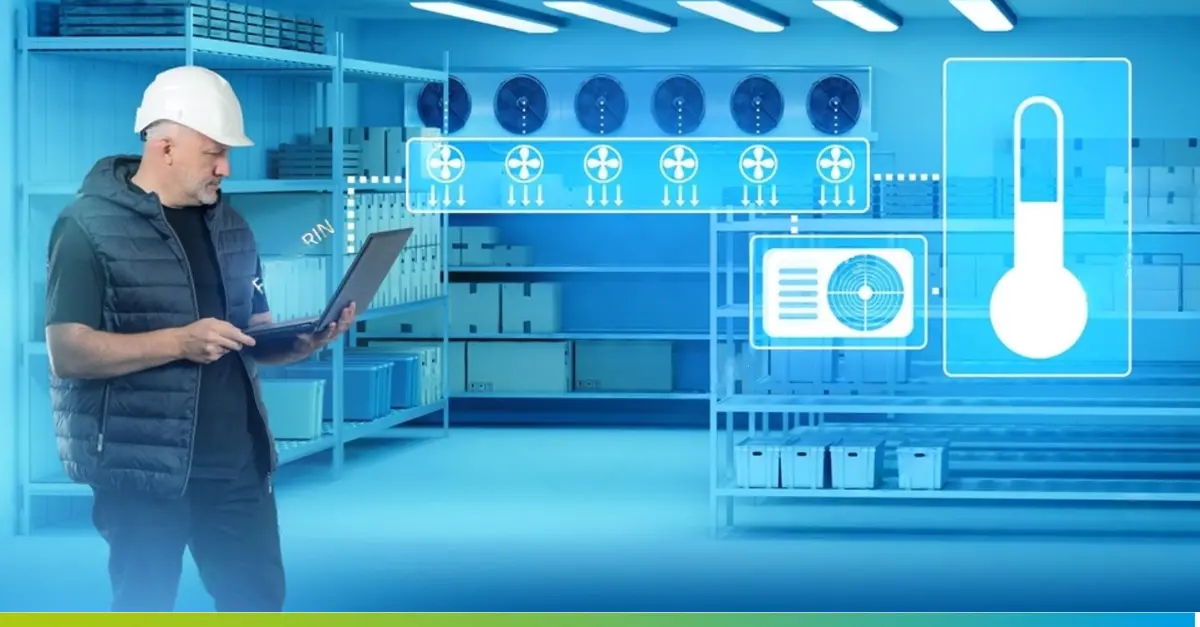
Mitigation: Integrated systems with dual sensors allow for real-time tracking of both variables, enabling immediate corrections to maintain a safe and stable environment.
Risk 4: Undetected Environmental Failures
Even the most well-designed storage systems are vulnerable to sudden environmental disruptions. Power outages, HVAC malfunctions, seasonal weather extremes, or simple human error can result in rapid changes in temperature or humidity. If these changes are not identified quickly, the consequences can be severe.
This risk is especially high for distributed collections, such as those stored across multiple sites or facilities. Manual inspections are impractical at this scale, and the lack of visibility can lead to deterioration before action can be taken.
Mitigation: Smart monitoring systems with remote dashboards, automated alerts, and continuous data logging allow stakeholders to intervene promptly and maintain full oversight.
Risk 5: Compromised Provenance and Asset Value
Provenance refers to the documented history of an item, including how it has been stored and handled. It is a key driver of value in both fine wine and fine art. Poor environmental conditions, even if they do not result in visible damage, can raise doubts about an item’s authenticity and condition.
For example, evidence of overheating during transport or unregulated humidity in storage can reduce confidence among buyers, insurers, and appraisers. A single incident of poor handling may require expensive restoration or revalidation of value, sometimes permanently altering the asset’s marketability.
Mitigation: Continuous monitoring with digital records provides traceability and supports transparency. This gives stakeholders the assurance they need to trust in the condition and history of high-value assets.
Conclusion
With integrated, cloud-based environmental monitoring systems, Autima can support clients across the art, wine, and specialised logistics sectors. These platforms go beyond prevention; they are critical infrastructure for safeguarding quality, preserving value, and maintaining trust across the lifecycle of these prized assets.