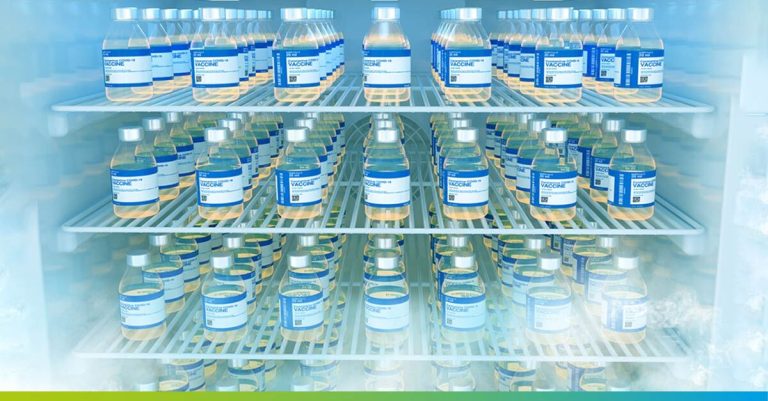
Effective Cold Chain management of vaccines is important for maintaining the integrity of temperature-sensitive assets. It is crucial that vaccines are properly stored, transported and distributed in specific temperature ranges to ensure safety and potency. A breach at any point in the Cold Chain must be managed effectively to ensure that no harm is caused.
This blog explores detecting and managing Cold Chain breaches and provides a step-by-step guide on how to handle a Cold Chain breach and maintain high safety standards.
What is Cold Chain Management for Vaccines
Cold Chain management refers to the management of the transport, storage, and handling processes within a Cold Chain to ensure the safety of temperature sensitive products. This is especially crucial in sectors like Healthcare and Food Services.
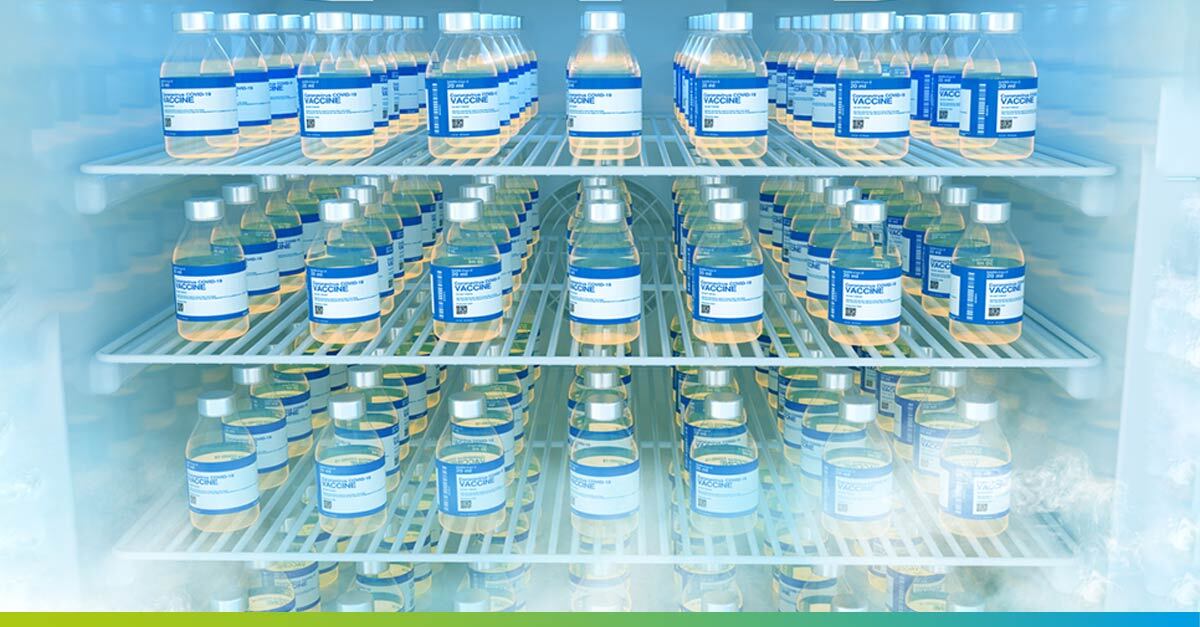
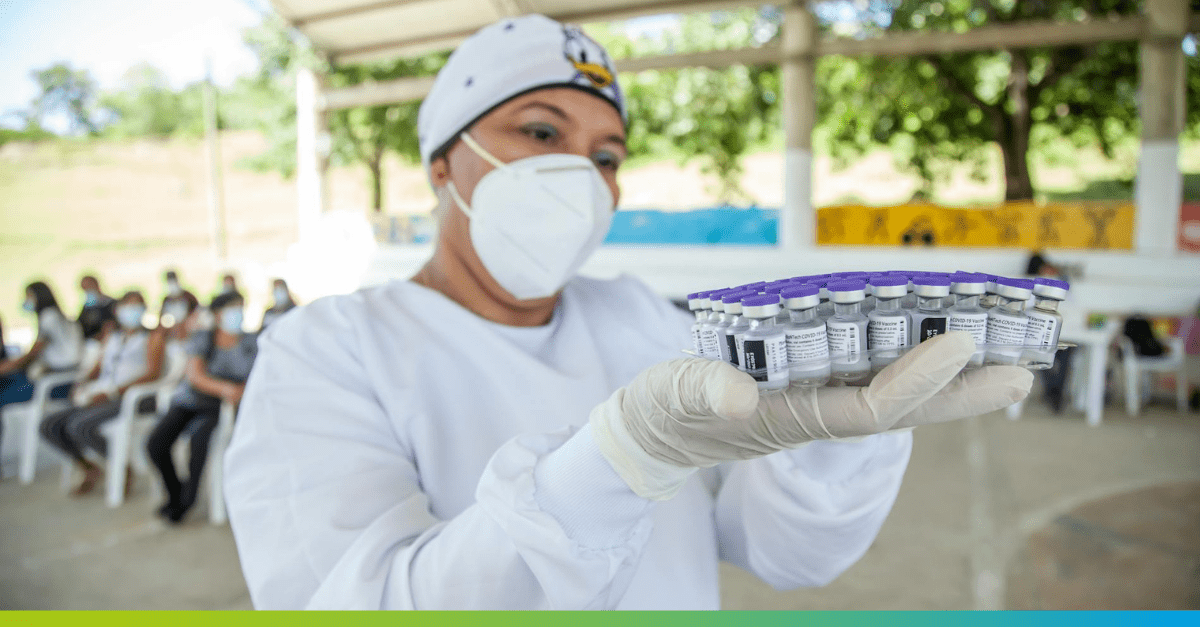
In the Healthcare sector, Cold Chain management of vaccines is critical to ensure that they are kept at the required temperature from the point of manufacture to the point of administration.
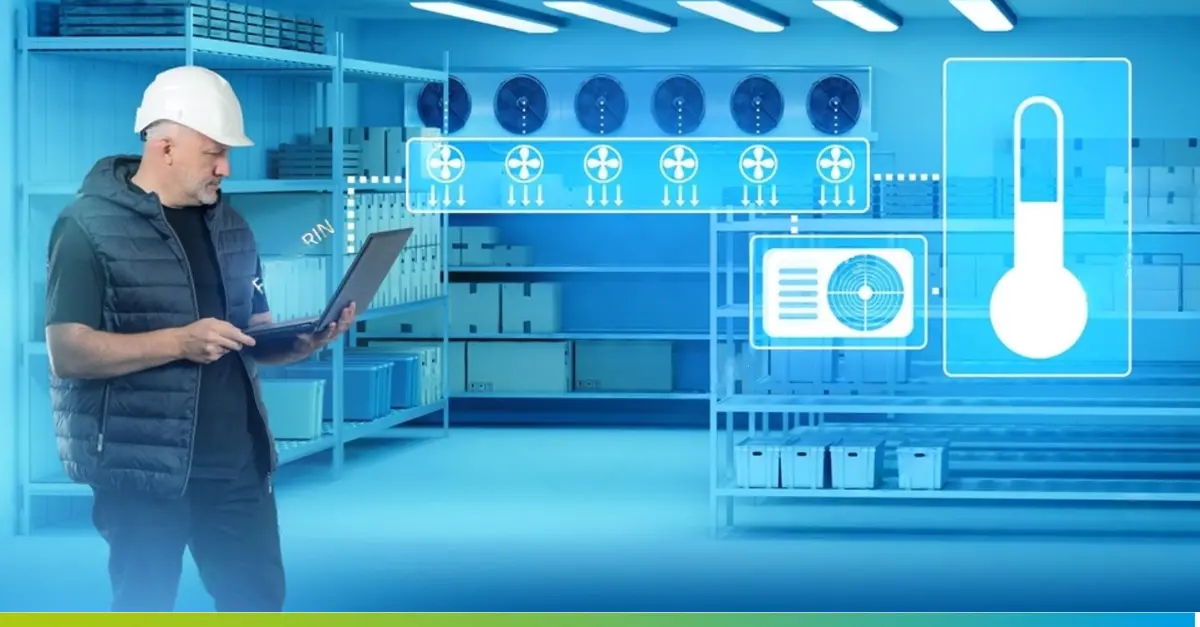
Proper Cold Chain management involves using specialised refrigeration equipment, temperature monitoring devices, and rigorous handling procedures to maintain a consistent temperature.
Ensuring this consistency helps you to prevent the degradation of vaccines and safeguard public health by ensuring individuals receive potent and effective immunisations.
What is a Cold Chain Breach?
A Cold Chain breach occurs when vaccines are exposed to temperatures outside the prescribed temperature range of 2°C to 8°C at any point in the Cold Chain.
Such breaches can compromise the integrity and efficacy of vaccines, making them potentially unsafe for use.
A Cold Chain breach can occur as a result of:
- Equipment failures
- Human error
- Unforeseen environmental conditions
Utilising efficient Cold Chain management devices for vaccines can significantly reduce the risk of temperature deviations and maintain the public’s trust in vaccination programs, supporting the broader healthcare system’s reliability and effectiveness.
Risks of Not Reporting a Cold Chain Breach
Health Professional
- If vaccines are ineffective due to temperature breaches, the community may lose trust in healthcare providers, impacting their credibility and reputation.
- Failure to ensure vaccine potency can lead to potential legal consequences for healthcare providers, as they are responsible for administering effective vaccines.
Patient
- Ineffective vaccines leave patients vulnerable to preventable diseases, defeating the purpose of vaccinations.
- Patients may need to undergo the vaccination process again, which is time-consuming and inconvenient.
- Increased risk of adverse reactions from re-vaccination, adding to patient discomfort and potential health risks.
Cost Consideration
- Vaccines are costly and a breach can result in significant financial losses due to wasted vaccines.
- Recalling patients and administering new doses increases operational costs and resource utilisation, straining the Healthcare system.
Standard Cold Chain Breach Protocol
Take Precautions
- Immediately isolate the affected vaccines and mark them as “DO NOT USE” to ensure they are not used or distributed further. NOTE: Do not discard the vaccines until advised so by the Regional Immunisation Coordinator (RIC).
- Ensure that you keep the isolated vaccines refrigerated between +2°C and +8°C.
- Prepare a temporary monitored vaccine storage unit if needed and move affected vaccines there.
Take Precautions
- Report the breach to your WA Health Regional Immunisation Coordinator (RIC) using the Cold Chain Breach (CCB) and Vaccine Wastage Form.
- Check which vaccines are affected by the breach. If it involves private vaccines, contact the manufacturer.
- If there is a problem with the vaccine while it is being transported, you should look at the relevant vaccine ordering guidelines to find out what to do next.
- Your RIC can guide you on how you can undertake a Cold Chain self-audit and provide further advice.
Information Required for Reporting a Breach
While filling out the forms, you will need to fill out the following details:
- Details related to vaccines, such as type and dose quantities.
- Mention if vaccines were involved in prior breaches.
- Dates and duration of breach (hours and/or minutes).
- Temperature range of the breach (minimum and maximum temperature).
- If affected vaccines were accidentally administered to patients.
- Data loggers result for the breach period in table view (pdf or ‘.csv’ format) with 5-minute intervals.
- Your contact details for timely communication.
While filling out the forms, you will need to fill out the following details:
- Brand and size of the refrigerator where vaccines were stored.
- Cold chain audit details (e.g., date of last refrigerator service, any maintenance issues).
- The expiry date of the vaccines.
- Condition of the vaccines (wet or soggy) and their position in the fridge during the breach.
- Data logger results in a graph view.
- Temperature monitor chart in a pdf format.
Follow the RIC Advice
The RIC will advise whether the vaccines are safe to retain or whether they should be discarded. Follow the RIC advice meticulously to ensure that Cold Chain breaches are managed effectively, maintaining the integrity and safety of vaccines.
- Remove vaccines from the fridge and discard them following medical waste procedures if advised.
- Record wastage as a Cold Chain breach; do not create new wastage incidents, even if vaccines are near expiry.
- Keep an incident record near the fridge(s) for future reference.
- Contact your RIC for assistance as needed.
- Refer to National vaccine storage guidelines (Strive for 5) for further guidance.
Conclusion
Effective vaccine Cold-Chain management is crucial for safeguarding vaccine integrity and public health. When Cold-Chain breaches occur, it is important to report them and follow the protocol to mitigate potential risks associated with vaccine ineffectiveness.
Partnering with Autima can enhance your Cold Chain management efforts. Our reliable Cold Chain temperature monitoring devices provide continuous visibility and monitoring of temperature-sensitive assets, ensuring vaccines are stored and transported within the required temperature range.
Autima’s solutions include features such as real-time monitoring and immediate alerts. These benefits help healthcare providers maintain the efficacy and safety of vaccines by promptly addressing any temperature deviations. Contact us to learn more about our advanced solutions and how we can help you ensure optimal vaccine storage and distribution.